How can you mobilise your organisation for digital and sustainability transformation, ensuring that both reinforce one another? Transformation is a learning journey. It starts with understanding where the organisation stands, where it seeks to go and what prevents people from moving forward. Ethnographic stakeholder inquiry identifies existing capabilities, effective practices, leadership behaviours, operational frictions and value tensions. This evidence helps leaders set clear priorities and focus transformation frameworks on the dimensions that matter most. Co-creation turns these insights into practical interventions, tested approaches and new ways of working that can be embedded across the organisation.
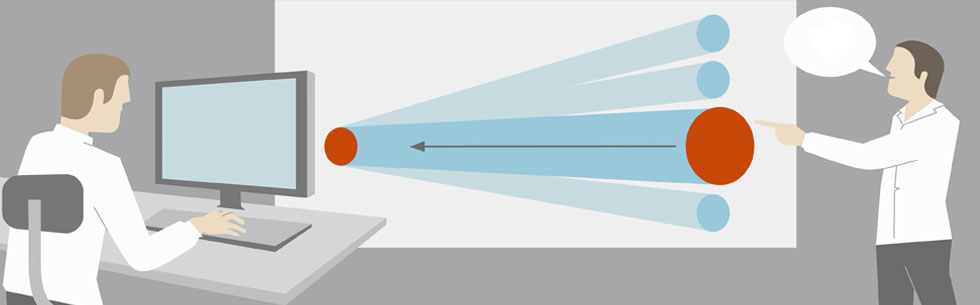
Persistent business problems are rarely solved by looking at processes and performance data alone. Ethnographic stakeholder inquiry reveals the practices, needs, frictions and value tensions behind them, while identifying opportunities that conventional analysis may overlook. It addresses questions such as:
‘We shall never be able to escape from the ultimate dilemma that all our knowledge is about the past, and all our decisions are about the future’ (Wilson 1975/2000). Exploring alternative futures enables organisations to make more robust strategic decisions today. Together with our clients, we translate current challenges into compelling future visions, strategic options and coordinated action. We develop and assess exploratory and normative scenarios and identify priorities and pathways for corporate renewal.
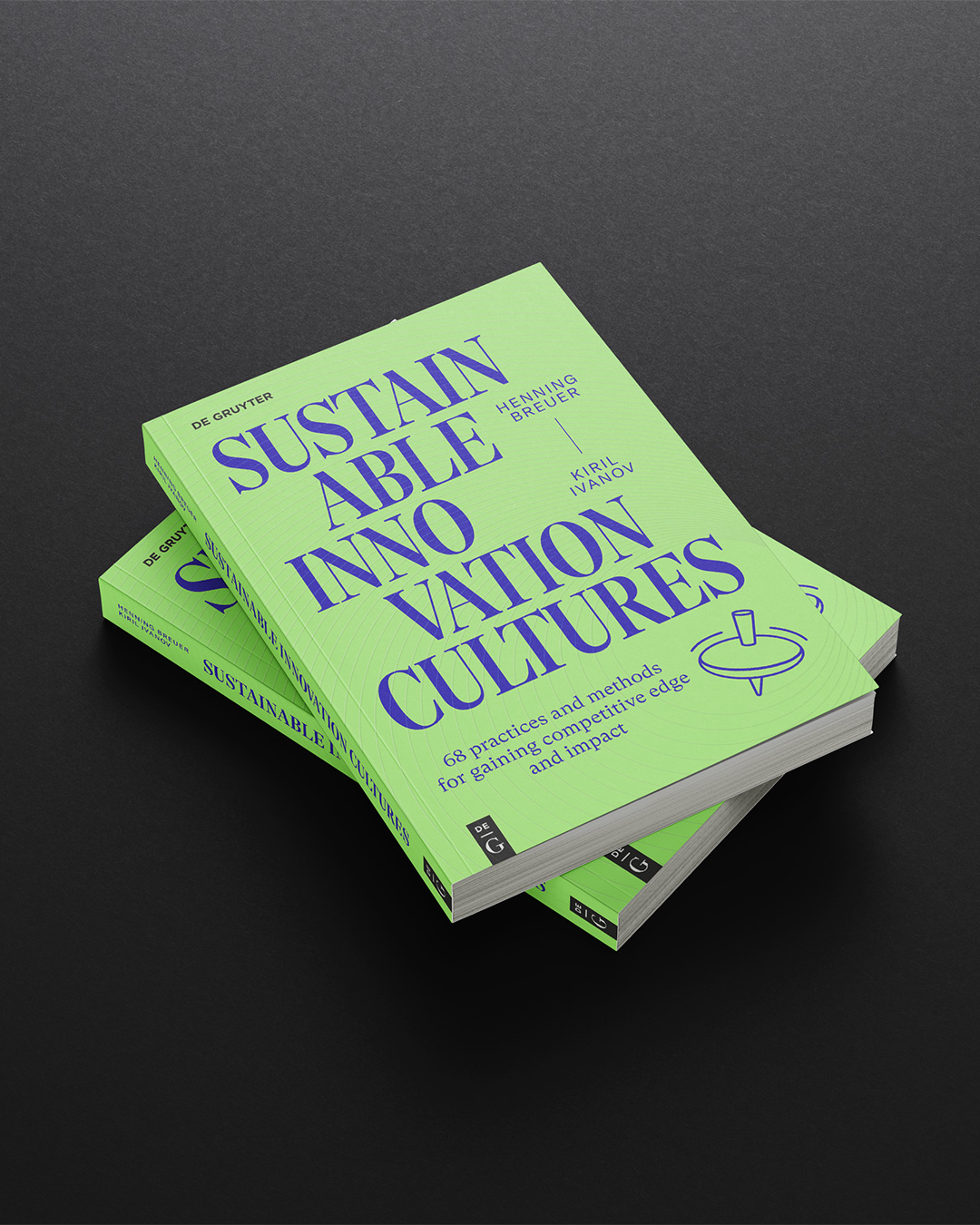
As part of a European project, we developed 68 practices and methods for building sustainable innovation cultures and documented them in the book “Sustainable Innovation Cultures”. Many of these approaches also support digital transformation. Rapid Ethnography and Sensemaking help organisations understand their current situation. Envisioning and Roadmapping provide strategic direction and create a shared vision. Human Resource Development and management systems help embed new capabilities, behaviours and ways of working throughout the organisation for the long term. An overview of these practices and methods is available here.
Exemplary References
For a global industrial company, we combined stakeholder research with collaborative workshops. New insights into strategic positioning, end-to-end collaboration, knowledge sharing, and adaptive standardization provided the foundation for transforming a central engineering function into a proactive innovation partner that delivers scalable business value.
We supported a leading energy company in transforming its innovation culture and internal IT experience, translating stakeholder insights into strategic design principles, high-impact service improvements and AI-enabled, personalised support.
Set up and management of a new project team with 20 members of staff for user-driven innovation; open innovation management with stakeholder integration, strategic consulting and development of new methodology in terms of user research, futures research, business modeling. Interim management as director of research and Innovation at Telekom Innovation Laboratories.
Projects on exploratory and normative scenarios in the automotive, energy and telecommunication industry. Further information available upon request.
Related Publications